

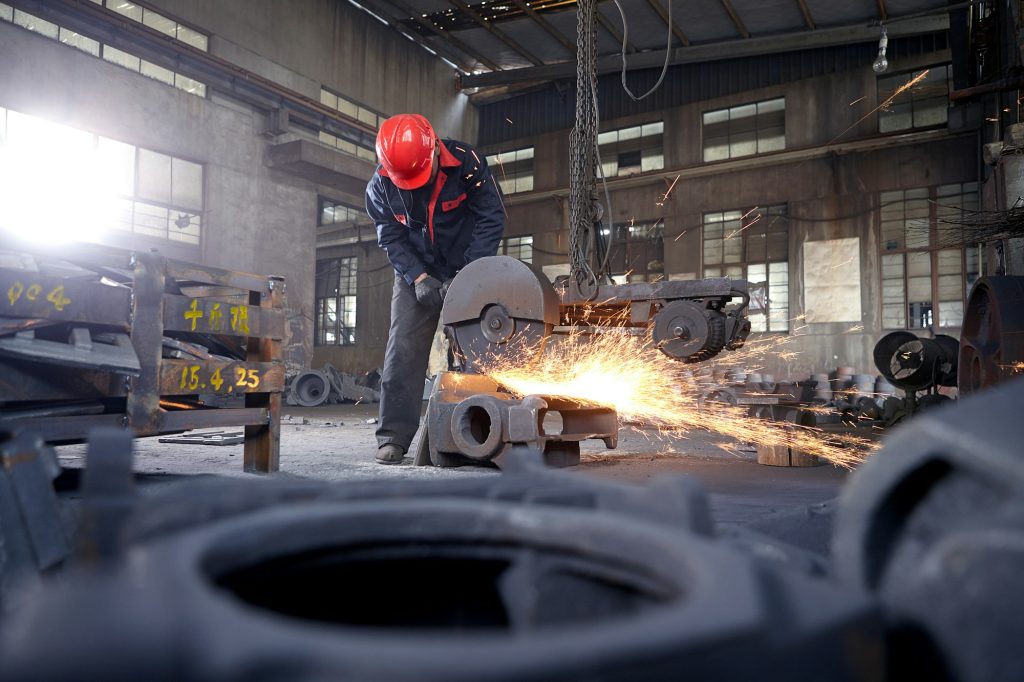
Galvanized Iron & Cast Iron Essential Materials for Durable Construction and Design
Galvanized iron (GI) and cast iron are two indispensable materials in the construction and manufacturing industries, each offering unique properties and applications. These iron-based materials have been at the forefront of building robust and reliable structures, providing durability, strength, and versatility. At Penta Square Technical Contracting Services LLC, we leverage the unique advantages of both galvanized and cast iron to meet the diverse needs of our clients.
Galvanized Iron
Overview
Galvanized iron is produced by coating steel or iron with a protective layer of zinc to prevent rusting and corrosion. This process, known as galvanization, enhances the material’s durability and makes it suitable for environments exposed to moisture, chemicals, or other corrosive elements. GI is widely used in construction, manufacturing, and household applications due to its combination of strength, lightweight nature, and resistance to degradation.
Applications
- Construction and Roofing: GI sheets are commonly used for roofing, cladding, and wall panels. Their resistance to rust ensures long-lasting protection against the elements, making them ideal for outdoor applications.
- Piping Systems: Galvanized pipes are widely used in plumbing and irrigation systems. Their durability ensures reliable water flow without contamination from rust.
- Fencing and Framework: Galvanized iron is used in fences, gates, and structural frameworks for its strength and weather resistance.
- Ducting and HVAC Systems: GI is frequently used in ducting for HVAC systems, as it maintains structural integrity while withstanding temperature variations.
- Automotive Industry: Galvanized steel components are used in automobiles to ensure resistance to corrosion and enhance longevity.
Benefits
- Corrosion Resistance: The zinc coating acts as a barrier against moisture and oxygen, preventing rust formation.
- Durability: Galvanized iron withstands wear and tear, offering a long lifespan even in harsh conditions.
- Cost-Effectiveness: Its affordability and low maintenance requirements make GI a preferred material for many projects.
- Eco-Friendliness: Galvanized materials are recyclable, contributing to sustainable construction practices.
Cast Iron
Overview
Cast iron is a high-carbon iron alloy known for its hardness, brittleness, and excellent compressive strength. Unlike galvanized iron, which is primarily a protective material, cast iron is used for its structural and mechanical properties. It is produced by melting iron and pouring it into molds, where it solidifies into desired shapes. Cast iron has been a staple material in construction, engineering, and industrial applications for centuries.
Applications
- Building Foundations and Columns: Cast iron’s compressive strength makes it ideal for load-bearing structures, including columns, beams, and foundation supports.
- Pipework: Cast iron pipes are widely used for sewage, drainage, and water systems due to their strength and ability to handle high pressures.
- Machinery and Tools: Cast iron is used in heavy machinery, engine components, and tools for its wear resistance and stability.
- Decorative Features: Cast iron is a popular choice for railings, gates, and ornamental details due to its ability to be molded into intricate designs.
- Cooking Equipment: Cast iron pans and cookware are valued for their heat retention and durability.
Benefits
- High Strength: Cast iron is capable of bearing substantial loads, making it ideal for heavy-duty applications.
- Durability: It resists deformation and maintains its shape under extreme conditions.
- Versatility: Cast iron can be molded into complex shapes, allowing for creative and functional designs.
- Thermal Conductivity: It distributes heat evenly, making it suitable for heating applications like stoves and radiators.
Differences Between Galvanized Iron and Cast Iron
- Composition and Production: Galvanized iron is steel coated with zinc, while cast iron is a carbon-rich iron alloy.
- Primary Use: GI is favored for its rust resistance in outdoor and moist environments, while cast iron excels in structural and mechanical roles.
- Weight and Strength: GI is lighter and more flexible, whereas cast iron is heavier and better suited for compressive loads.
- Cost: GI is generally more affordable, while cast iron’s production costs can be higher due to the complexity of its molding process.
Why Choose Penta Square?
At Penta Square Technical Contracting Services LLC, we understand the strengths and limitations of both galvanized and cast iron, ensuring that we recommend the best material for your specific project needs. Whether it’s constructing weather-resistant structures, creating robust pipelines, or designing ornamental features, our team has the expertise to deliver outstanding results.
By combining innovation with high-quality materials, we guarantee durable, functional, and aesthetically pleasing solutions for all your construction and design requirements.


